Unlock the secrets to building or buying cheap but good gaming PCs in 2026, without sacrificing performance or breaking the bank. This comprehensive guide addresses the core needs of US gamers, from casual enthusiasts to aspiring pros, who seek optimal gaming experiences on a budget. Learn how to navigate the complex world of hardware, identify true value, and avoid common pitfalls that lead to buyer's remorse. We dive into essential components, upgrade strategies, and how to maintain peak performance for popular titles and esports. Whether you are balancing a busy life with gaming sessions or looking to upgrade an aging rig, this resource provides actionable insights. Discover trending budget-friendly setups that allow you to unwind, socialize, and hone your skills without hype. Get ready to game smarter, not harder, and conquer any virtual challenge that comes your way. Your ultimate resource for cheap but good pcs starts here, ensuring every dollar spent delivers maximum gaming satisfaction for the modern player.
Related games- Guide to Roblox Highschool Scripts Use Them Safely
- Guide to Johnny Cash Roblox ID Music & Audio
- Guide What Time Is UCLA USC Game Kickoff Info
- Guide to Roblox Sign Up Your Easy Start
- Guide to Obey Shirts Roblox: Style & Creation
- Q: How do I identify a genuinely cheap but good PC deal online?
- A: Look for balanced components, reputable sellers, and benchmarks for similar configurations. Avoid systems with outdated CPUs paired with disproportionately high-end GPUs, or vice versa. Read reviews and verify specs carefully against current market prices.
- Q: What operating system is best for a budget gaming PC?
- A: Windows 10 or 11 are standard. Windows 11 offers some performance optimizations for newer hardware, but Windows 10 remains highly compatible and stable. Consider free Linux distributions if you only play Linux-compatible or browser-based games, but most major titles require Windows.
- Q: Is it okay to buy refurbished parts for a cheap but good PC build?
- A: Absolutely, refurbished parts like GPUs and CPUs from reputable sellers can offer significant savings. Always check the warranty, return policy, and seller reputation. Refurbished SSDs and RAM are also generally safe bets.
- Q: How much RAM do I actually need for competitive gaming on a budget?
- A: For competitive gaming in 2026, 16GB of DDR4 or DDR5 RAM is the sweet spot for a budget PC. While some games might run on 8GB, 16GB provides smoother multitasking and prevents stuttering in demanding titles, especially when streaming or running background applications.
- Q: What's the biggest mistake gamers make when buying cheap but good PCs?
- A: The biggest mistake is often solely focusing on the CPU or GPU without considering the balance of the entire system. A powerful GPU paired with a weak CPU, or insufficient RAM or a slow HDD, will bottleneck performance. Ensure all components are reasonably matched.
- Q: Can I stream successfully with a cheap but good gaming PC?
- A: Yes, many cheap but good PCs can handle streaming, especially with modern GPUs featuring dedicated encoders like NVIDIA's NVENC or AMD's AMF. Optimize your streaming settings (bitrate, resolution) and use performance-friendly streaming software like OBS Studio for the best results.
- Q: What are the best free-to-play games that run well on a budget gaming PC?
- A: Titles like Valorant, Apex Legends, Fortnite, League of Legends, CS2, and Genshin Impact are excellently optimized and consistently popular. Many indie games also offer fantastic experiences with low system requirements, providing endless hours of fun without additional cost.
Remember that feeling when a new game drops, and your current PC chugs along like it's running through treacle? Or maybe you've been eyeing that competitive title, but your frame rates just aren't cutting it for pro-level plays? You're not alone. For many US gamers, balancing a demanding life with their passion for interactive entertainment often means navigating tough choices between budget and performance. With 87% of US gamers regularly dedicating 10+ hours a week to their favorite titles, and a significant portion focusing on skill-building and social play, the need for a reliable, high-performing machine is paramount. Yet, the price tags on cutting-edge hardware can feel like a direct assault on your wallet. This creates a common dilemma: how do you get cheap but good PCs that deliver the experience you crave without compromise?
The good news is that in 2026, finding truly cheap but good PCs is more achievable than ever before, thanks to evolving tech and savvy strategies. This isn't about settling for sub-par; it's about smart choices, understanding value, and optimizing every dollar. Whether you're a busy professional looking to unwind with some relaxing single-player adventures, a social gamer connecting with friends, or someone aiming to climb the ranks in esports, performance matters. We understand the pain points: slow load times, unexpected crashes, or being unable to run the latest titles smoothly. This comprehensive guide is designed to cut through the hype and provide practical, actionable solutions. We'll show you exactly how to identify, build, or buy cheap but good PCs that meet your gaming needs, address your pain points, and allow you to fully enjoy your digital escape and competitive pursuits. Get ready to transform your gaming experience without emptying your savings account.
What exactly defines cheap but good PCs in 2026?
In 2026, a cheap but good PC is a system that offers excellent performance per dollar, allowing you to comfortably play most modern AAA games at 1080p with medium to high settings, and competitive esports titles at high refresh rates. This often means a budget between $600-$900, focusing on balanced components rather than just one powerful part. The goal is a smooth, enjoyable experience without breaking the bank. It means a PC capable of handling popular titles like Apex Legends, Warzone, or the upcoming Elder Scrolls VI with acceptable frame rates, ensuring you can keep up with friends and the meta. The emphasis is on smart component selection that provides longevity and value in a rapidly changing hardware landscape.
How can I build a cheap but good PC myself on a tight budget?
Building your own cheap but good PC offers the best value, letting you allocate funds precisely where they matter most. Start by researching current component prices across different retailers. Prioritize a capable GPU (graphics card) and CPU (processor) that are well-matched. For instance, pairing a mid-range AMD Ryzen 5 or Intel Core i5 with an NVIDIA RTX 3060 or AMD RX 6700XT can provide fantastic 1080p performance. Don't skimp on 16GB of DDR4 (or DDR5 if motherboard supports it) RAM and a fast 1TB NVMe SSD for quick boot times and game loads. Look for open-box deals or sales events for crucial parts. Used market reputable sellers on platforms like eBay can also be a goldmine for slightly older but still powerful components. Carefully follow online build guides and take your time with assembly, ensuring all connections are secure to avoid frustrating setup issues later.
What are the best prebuilt cheap but good PCs currently available?
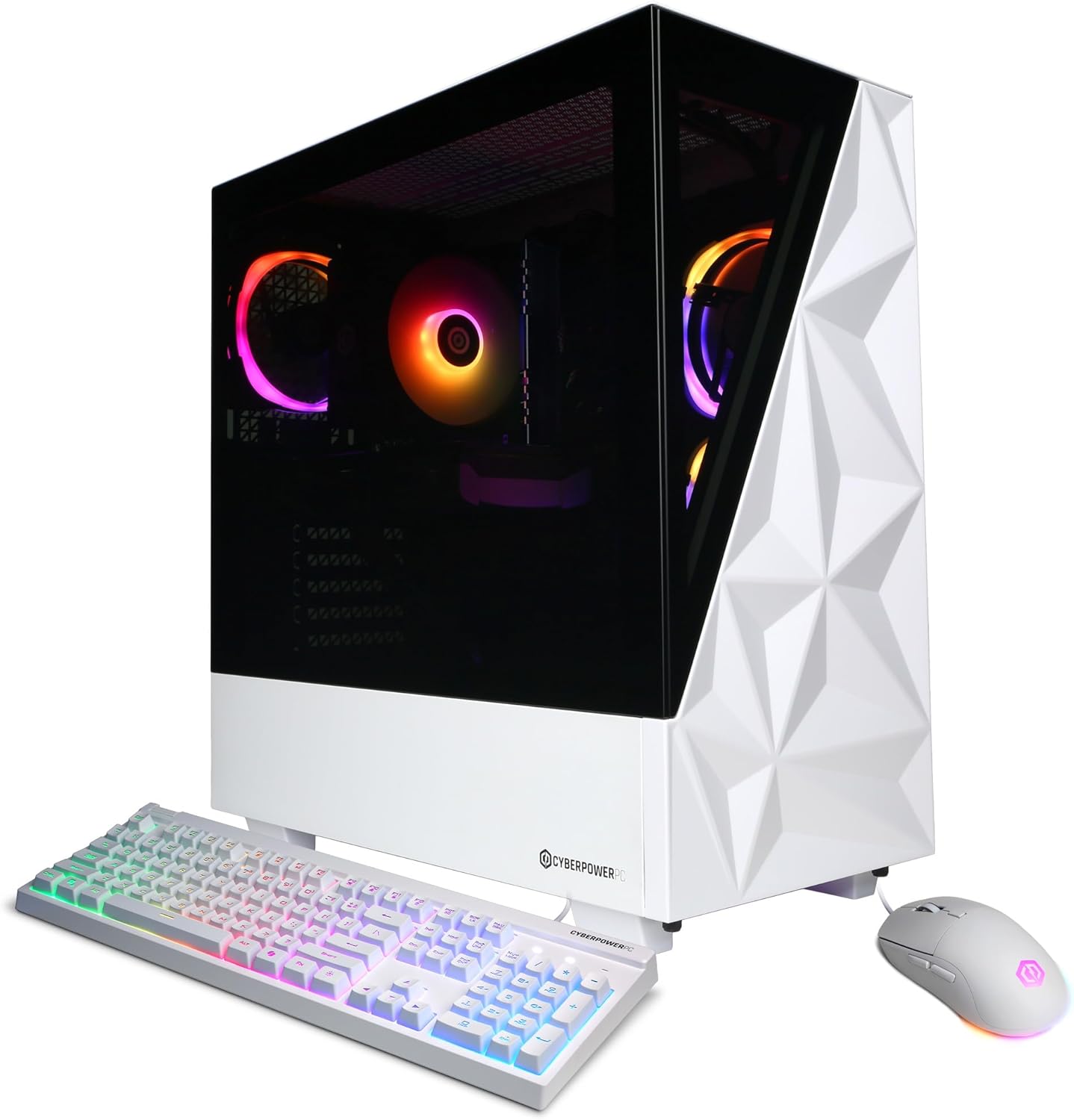
For those who prefer plug-and-play convenience, several brands offer excellent prebuilt cheap but good PCs. Companies like CyberPowerPC, iBUYPOWER, and HP Omen frequently have configurations around the $700-$1000 mark that hit the sweet spot for budget gaming. When evaluating, look for systems with dedicated graphics cards (avoiding integrated graphics for gaming), at least 16GB of RAM, and an NVMe SSD. Read reviews focusing on cooling and power supply quality, as these are often areas where budget prebuilts cut corners. Popular models this month might feature NVIDIA's RTX 3050/4060 or AMD's RX 6600/7600 GPUs, paired with entry-level modern CPUs. Always compare the component prices of a prebuilt against what it would cost to build yourself to gauge its true value.
Which components offer the best bang for your buck when building cheap but good PCs?
When building a cheap but good PC, the GPU typically delivers the biggest performance boost for your dollar. A strong mid-range graphics card will have the most significant impact on your in-game frame rates. Next, invest in a speedy NVMe SSD; it dramatically reduces load times and improves overall system responsiveness, which is invaluable for busy gamers with limited play time. For CPUs, a current-generation mid-tier processor (like an Intel i5 or AMD Ryzen 5) is often sufficient to avoid bottlenecks with your chosen GPU. Opt for 16GB of RAM at a decent speed (3200MHz DDR4 or faster DDR5) to ensure smooth multitasking and stable gaming. Don't forget a reliable, appropriately wattage power supply from a reputable brand to protect your components.
How can I upgrade my existing PC into a cheap but good gaming machine?
Transforming an older PC into a cheap but good gaming rig usually starts with a graphics card upgrade. This is often the single most impactful change. Check your power supply wattage and physical case clearance first. Next, if you have less than 16GB of RAM, adding more is a relatively inexpensive way to boost performance, especially in modern titles. Swapping out an old hard drive for an NVMe SSD will drastically improve boot times and game loading. Finally, if your CPU is very old, consider upgrading your CPU, motherboard, and RAM simultaneously (a platform upgrade). Always verify compatibility before purchasing any new parts to avoid setup headaches, and consult guides on YouTube for step-by-step instructions relevant to your specific hardware. Many older systems can become quite capable with a few strategic, budget-conscious upgrades.
What common performance issues do cheap but good PCs face, and how can I fix them?
Even cheap but good PCs can encounter performance hiccups. The most common issues include low frame rates (FPS), stuttering, and overheating. For low FPS, start by ensuring your GPU drivers are up-to-date and optimize your in-game settings. Reducing demanding options like shadows, anti-aliasing, and texture quality can yield significant improvements. Stuttering often points to insufficient RAM, background processes, or a bottlenecked CPU; close unnecessary applications and ensure your system isn't running too many tasks simultaneously. Overheating can cause throttling, leading to performance dips; clean your PC regularly to remove dust, ensure good airflow in your case, and consider an aftermarket CPU cooler if temperatures remain high. Monitoring tools like MSI Afterburner can help diagnose specific issues and track component temperatures effectively.
Can cheap but good PCs truly handle modern esports and AAA titles?
Absolutely! A well-chosen cheap but good PC can excel in both competitive esports and many AAA titles. For esports like Valorant, CS2, Fortnite, and League of Legends, these systems often deliver 144+ FPS at 1080p, allowing for fluid, responsive gameplay vital for skill-building and competitive advantage. In AAA games, while you might not run everything on 'Ultra' settings, you can expect a solid 60+ FPS experience at 1080p with a mix of medium to high settings. This month, games like Helldivers 2 or Palworld, while demanding, can be enjoyed on budget rigs with some setting tweaks. The key is smart optimization and understanding that 'good' performance means a smooth, enjoyable experience, not necessarily maximum graphical fidelity. Many pro gamers prioritize stable high frame rates over visual bells and whistles.
Where can I find reliable deals and discounts for cheap but good PCs and components?
Finding great deals on cheap but good PCs and components requires vigilance. Keep an eye on major retailers like Amazon, Newegg, Best Buy, and Micro Center during holiday sales (Black Friday, Cyber Monday, Prime Day, Memorial Day). Sign up for email alerts from these stores. Check reputable hardware news sites for 'deal of the day' posts. For used components, consider platforms like eBay or Reddit's r/hardwareswap, but always buy from sellers with strong reputations and clear return policies. Refurbished sections of manufacturer websites can also offer significant savings on quality parts with warranties. Local computer stores sometimes have clearance items. Remember, patience is a virtue when hunting for the best value, and comparing prices across multiple sources is essential to ensure you're getting a genuine deal, not just a perceived one.
How do I balance gaming with life when I have limited time on my cheap but good PC?
Balancing gaming with other life responsibilities is a common challenge for many adult gamers. The key is efficiency and intentionality. Plan your gaming sessions in advance, even if it's just for 30-60 minutes. Focus on games that offer quick, satisfying play loops, like competitive matches in Valorant or short co-op missions with friends. Don't feel pressured to complete every single game or chase every achievement; remember gaming is for relaxation and fun. Utilize your cheap but good PC for social gaming to connect with friends, making your limited time more impactful. Consider games with strong communities or those that allow for drop-in/drop-out play. Setting realistic goals and knowing when to step away can help prevent burnout and maintain a healthy gaming-life balance.
What are the top games recommended for cheap but good PCs this month?
This month, several titles are perfect for your cheap but good PC, offering fantastic gameplay without demanding the absolute latest hardware. For competitive fun, Valorant, Counter-Strike 2, Apex Legends, and Fortnite remain incredibly popular and are excellently optimized. They offer high frame rates crucial for skill-building. For role-playing and adventure, look into well-optimized titles from previous years like Cyberpunk 2077 (with FSR/DLSS enabled) or The Witcher 3, which still hold up beautifully. Free-to-play options like Genshin Impact continue to provide vast worlds to explore. Indie gems on platforms like Steam are also a treasure trove of well-optimized, engaging experiences that won't strain your system or your wallet. Keep an eye on gaming news for new releases that boast good optimization for a wider range of hardware, ensuring your budget rig stays current and capable.
FAQ Section: Your Quick Answers
Is a used GPU a good idea for a cheap but good PC? Yes, a used GPU can offer excellent value for a cheap but good PC, often providing significantly more performance than a new GPU at the same price point. Always buy from reputable sellers, check for warranty status, and thoroughly test the card upon arrival to ensure full functionality and stability.
What's the minimum RAM for modern gaming on a budget? While 8GB of RAM is the absolute bare minimum for some games, 16GB is highly recommended and often necessary for a smooth experience on a cheap but good PC in 2026. It prevents stuttering and allows for better multitasking, which is crucial for modern game engines and background applications.
Should I prioritize CPU or GPU for budget gaming? For most gaming scenarios on a budget, you should generally prioritize the GPU (graphics card). It has the most significant impact on in-game frame rates and visual quality. A balanced CPU that doesn't bottleneck the GPU is important, but often a mid-range CPU is sufficient with a strong GPU.
Can cheap gaming PCs handle VR? Entry-level VR experiences might be possible on some carefully selected cheap but good PCs, especially if you focus on less graphically demanding VR titles. However, consistently smooth VR across a wide range of games often requires more powerful hardware than typically found in budget builds, making it a stretch for most.
What about older PC games on a cheap but good PC? Older PC games will run flawlessly on a cheap but good PC, often at maximum settings and very high frame rates. These systems are perfect for revisiting classics or exploring gaming history, providing an excellent platform for enjoying a vast library of titles that don't demand cutting-edge hardware.
Finding powerful budget gaming PCs, component selection for value, upgrading tips, balancing performance and cost, current market trends for cheap but good pcs, optimizing settings for smooth gameplay, enjoying top titles without breaking the bank, community insights for smart buying.
35
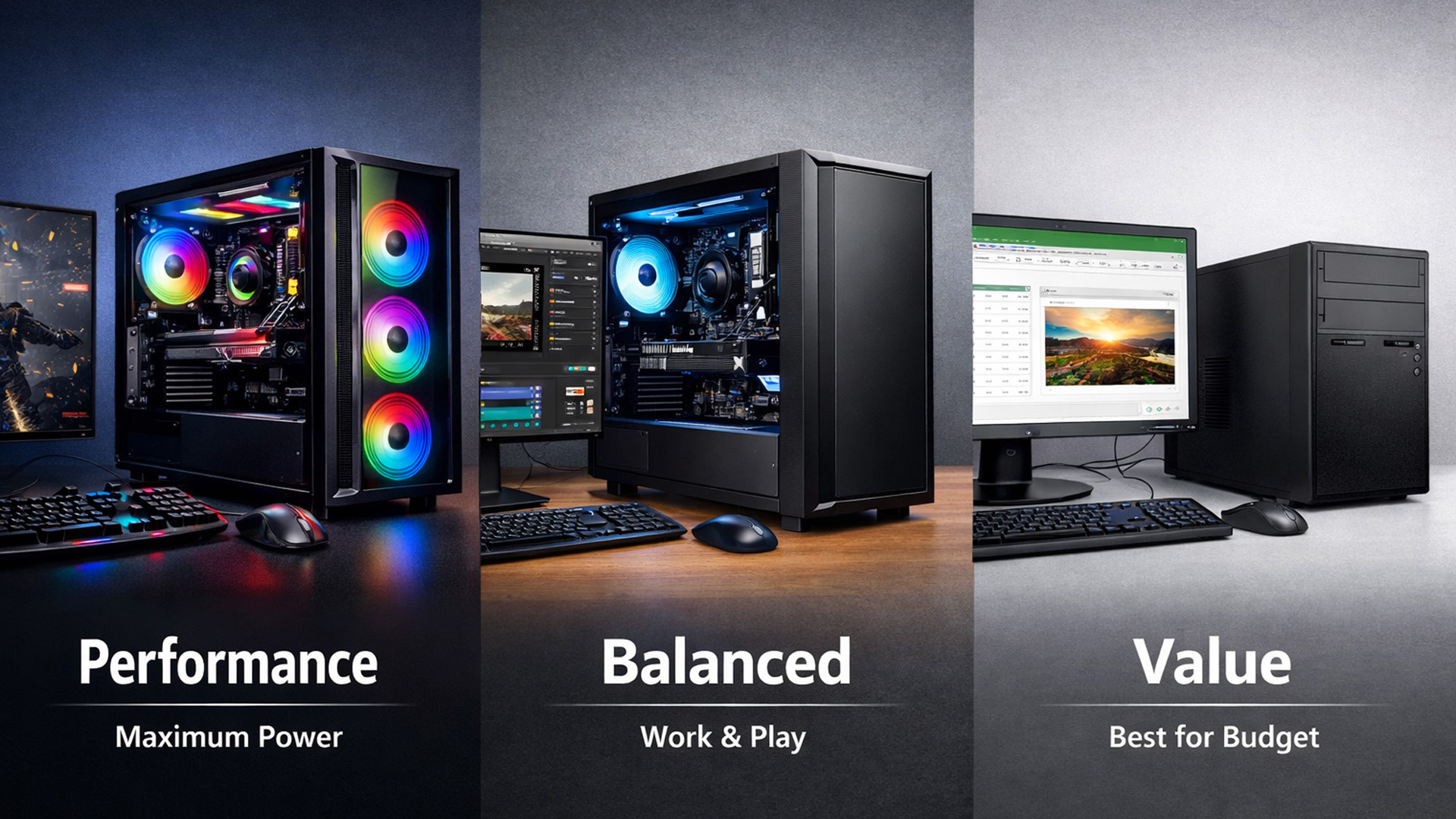


Best Mini Gaming PC 2026 Top Small Form Factor PCs Tested Best Mini Gaming Pc . New Year Desktop PC Deals 2026 Cheap Gaming PCs New Year Desktop PC Deals 2026 1 . Budget Gaming PCs Free UK Delivery Vibox Banner By Budget.webp. Latest Content . 5 Best Gaming PCs Of 2026 One Is SHOCKINGLY Affordable YouTube
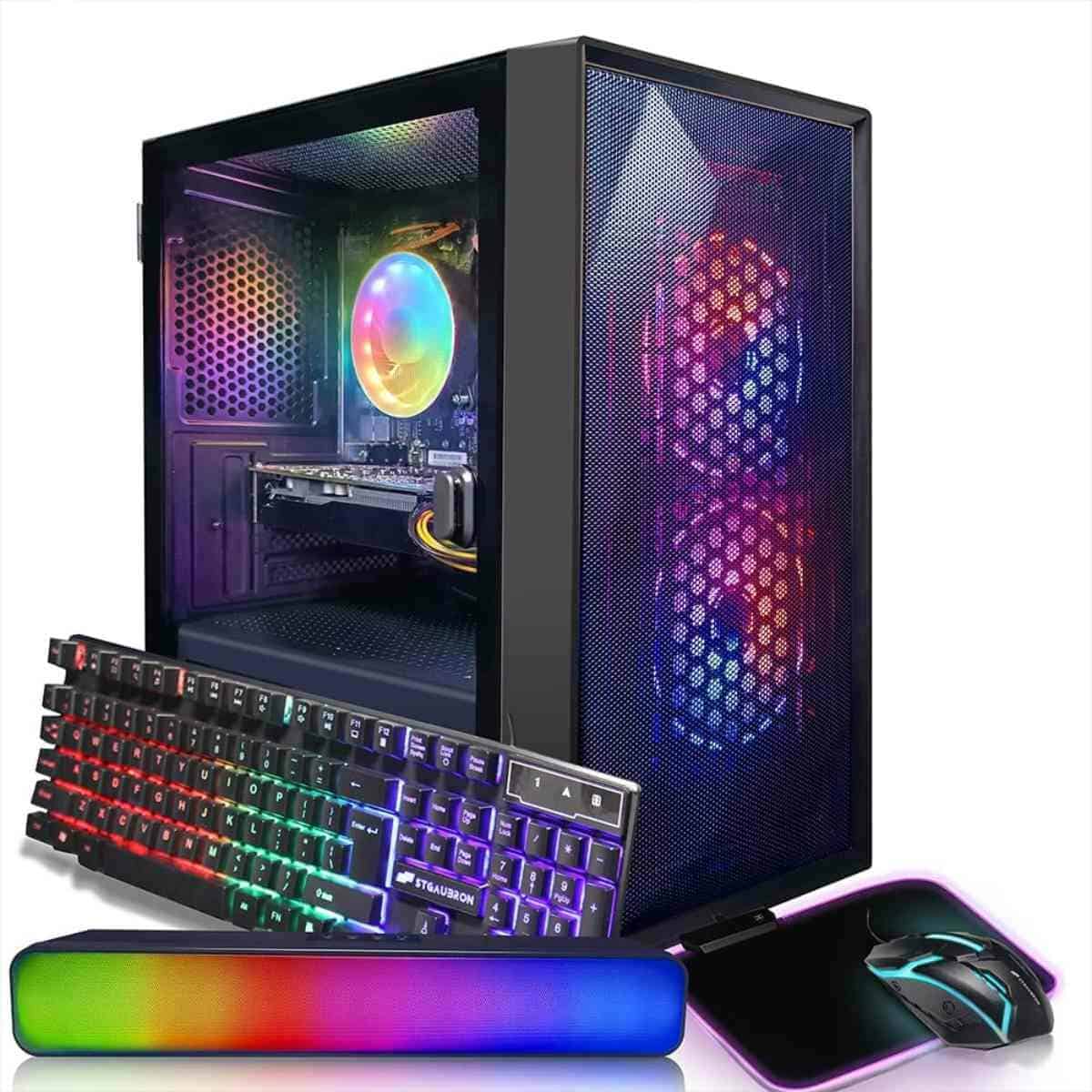
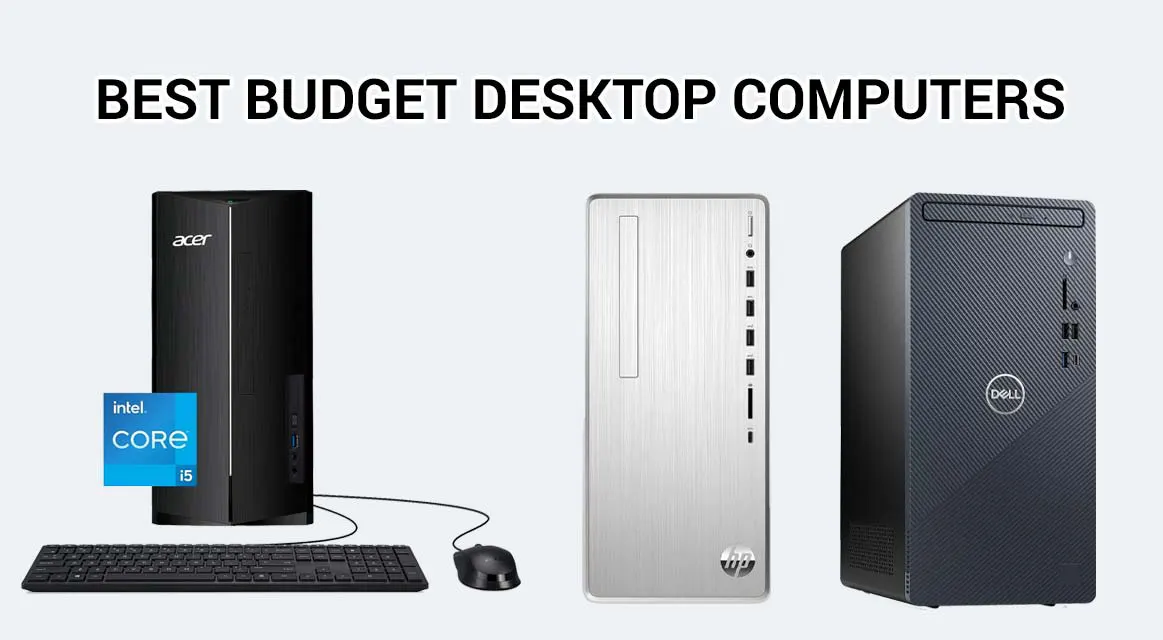

Cheap And Good PCs For Gaming What You Can Expect In Image 768x512 . Best Cheap Gaming PC Under 500 2025 Budget 1080p Build STGAubron Gaming PC RTX 2060 1200x1200 . 2026 S Best Budget Friendly Desktop Computers Best Budget Desktop. Top 10 Best Desktop Computers 2026 For Home Office And Work Lenovo Legion Tower 5i 2026 Budget Desktop Computer For Home Office Among Best Desktop. Best PC For 2026 For All Purposes From Coding To Gaming To Video AC SL1500
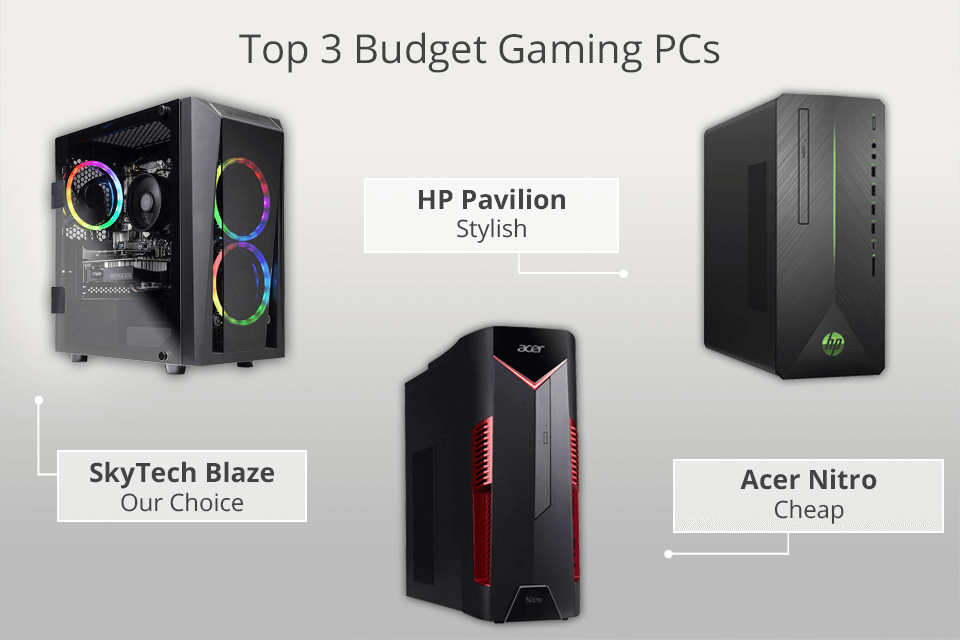
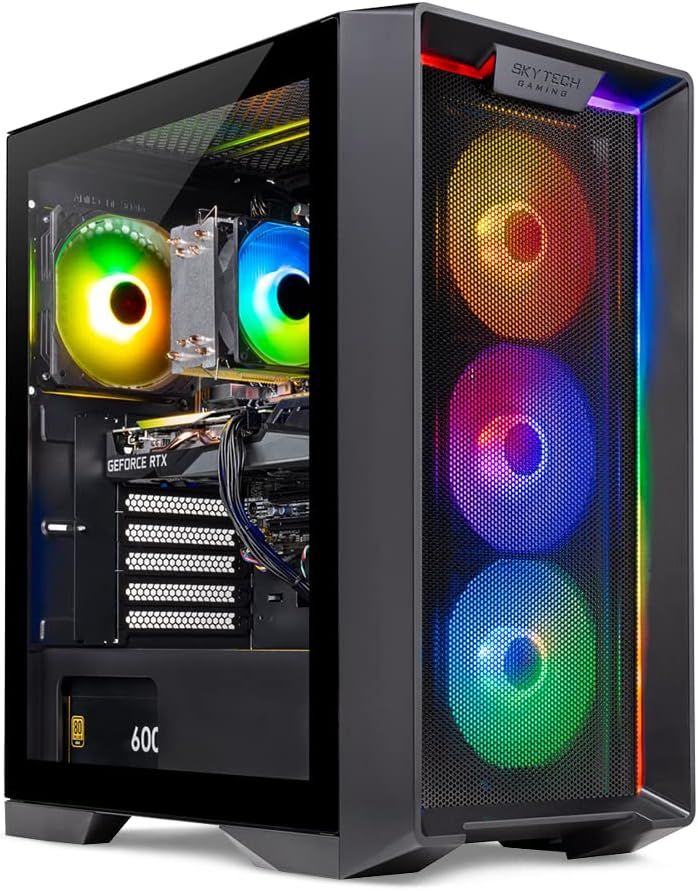
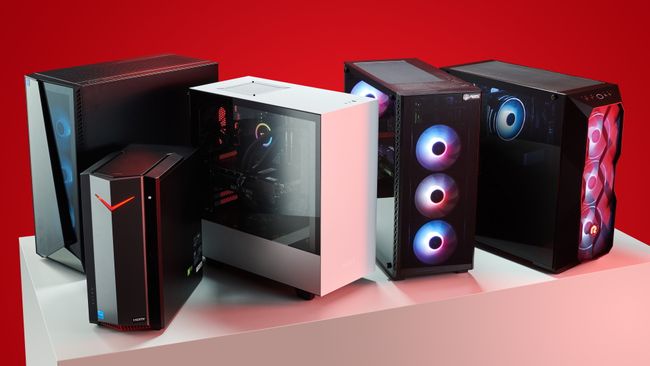
Top 5 Best Budget Gaming PCs In 2026 Best Gaming Pc Top 3 . Best UPS In 2024 Best Cheap Gaming Pcs . The Best Gaming PCs You Can Buy In 2024 Skytech Gaming Nebula Gaming Pc . Good Cheap PC Is It Real For You . These Ready To Play Gaming Desktops Are Fueled By Passion And Power 650 80


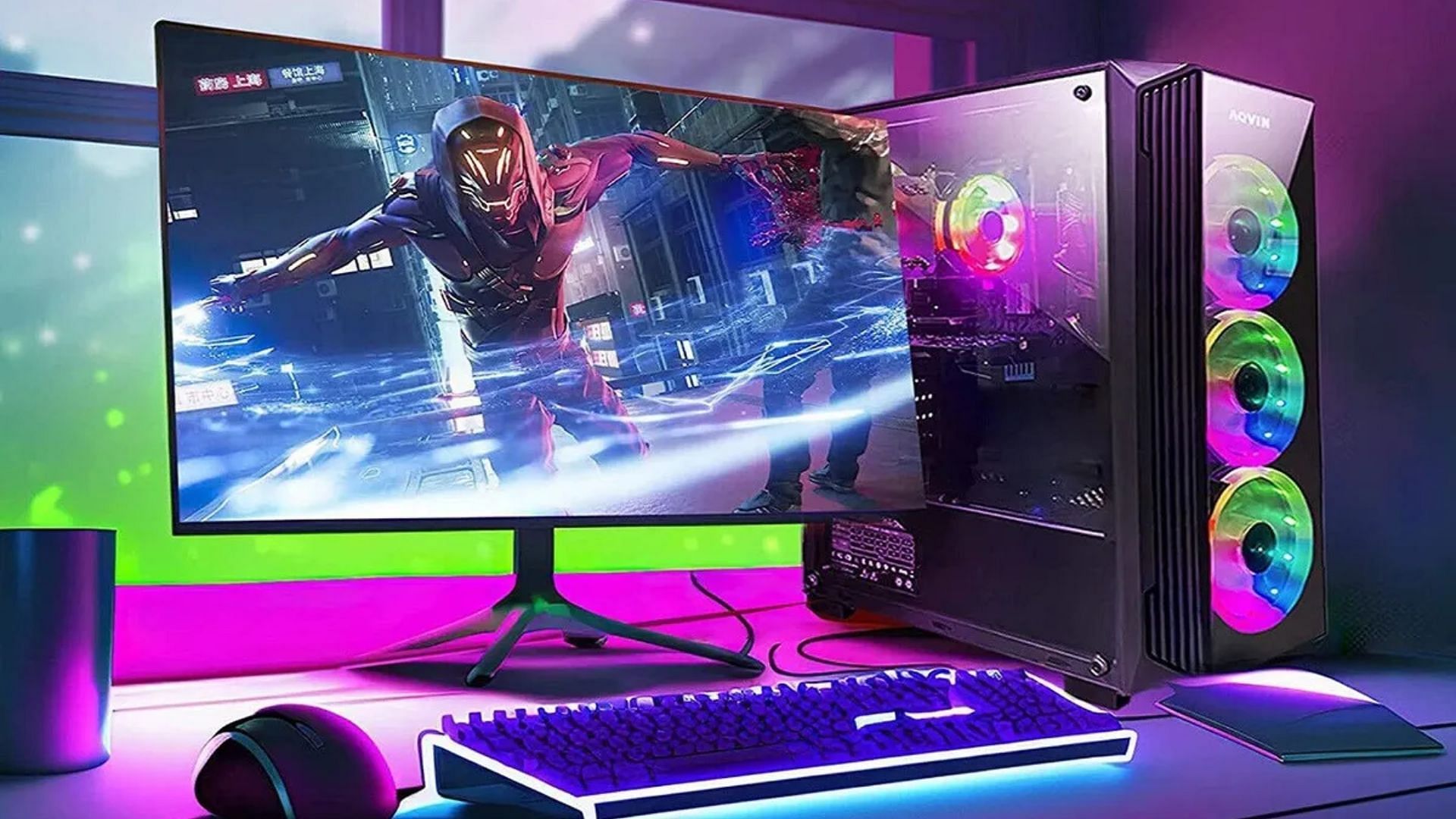
Best Budget Gaming PC Builds For 2026 500 800 Best Budget Gaming PC Builds For 2026.webp. Top 10 Budget Gaming PCs In The USA Best Affordable PCs For 2026 Hqdefault . Best Cheap Gaming PCs Under 300 Updated 2026 Stgaubron 600x530 . 9 Budget VR Ready Gaming PCs For 2026 That Play Anything Digitech Bytes Affordable Vr Gaming Pcs L7fo7 . Good Cheap PC Is It Real For You 8ca85 1920

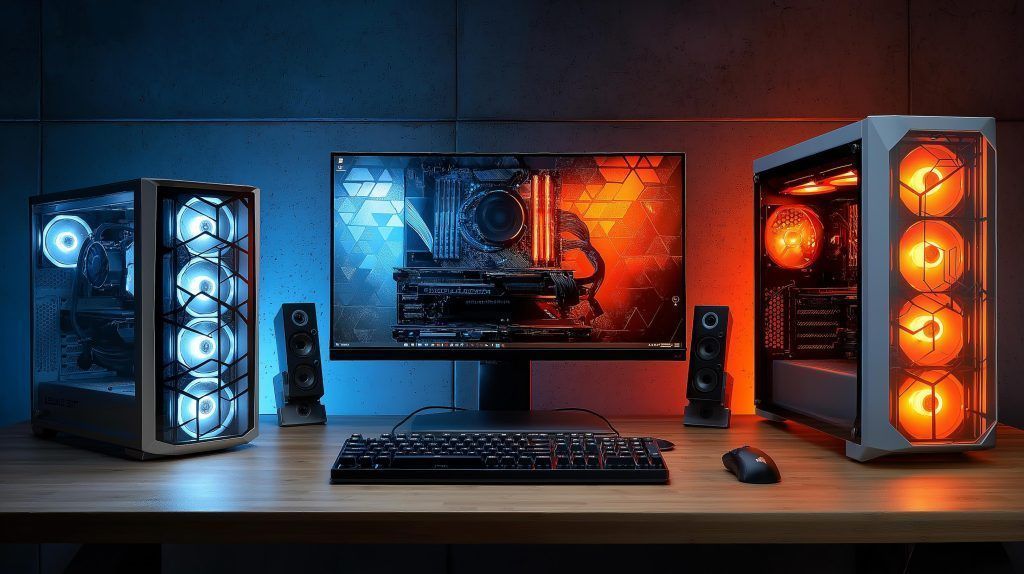

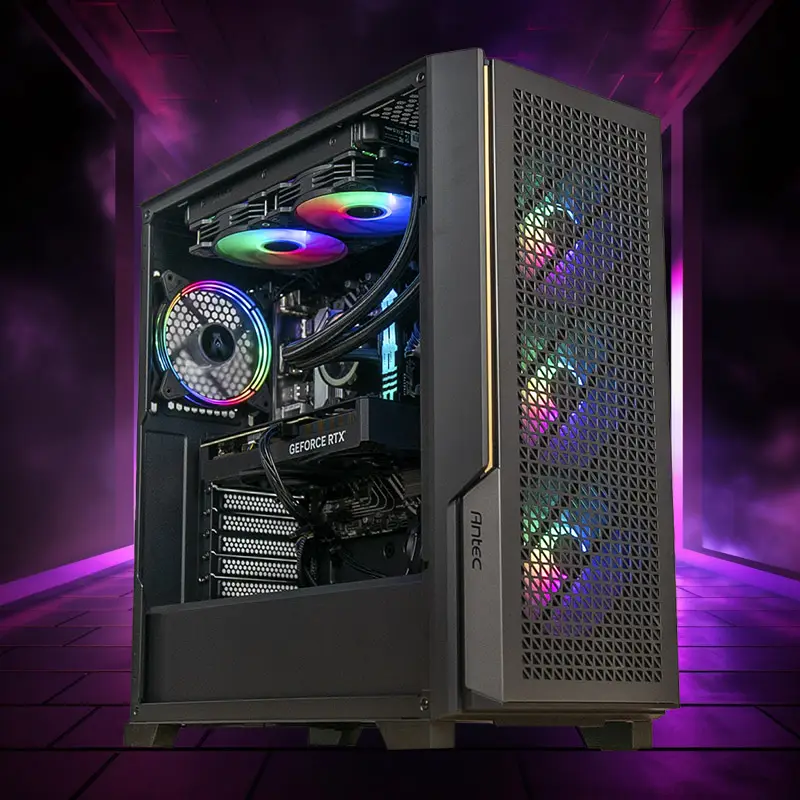
Top 10 Best Desktop Computers 2026 For Home Office And Work Lenovo Legion Tower 7i 2026 High Performance Desktop Computer With RGB Lighting Featured In. Ultimate 2025 2026 Desktop PC All In One Showdown Top Picks For Desktop Pc 1024x574 . Our 10 Best Best Cheap Desktop Computer For 2026 US Com Image. Best Cheap Gaming PC Best Budget Gaming Computer In Australia. Which Affordable PCs Are Worth Your Money In 2026 LevelUpTalk Affordable Pcs 2026 01 26 2026 73fa7bd8 9f91 44f1 Bebe


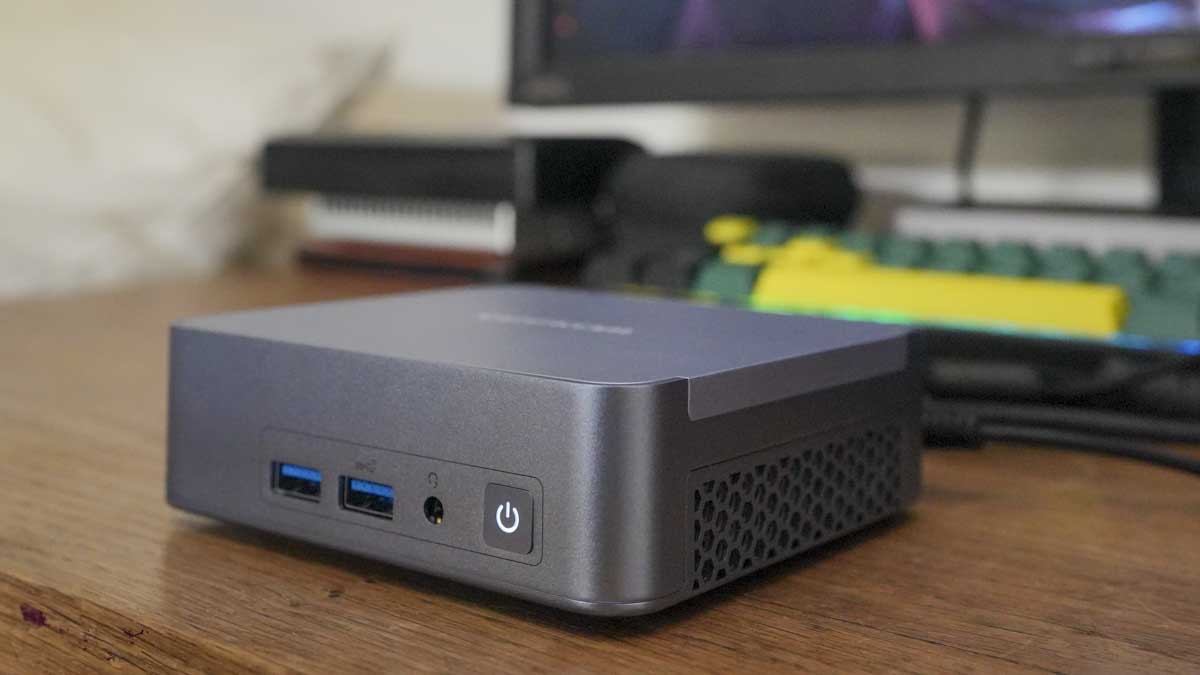

The Best Cheap Desktop PCs For 2026 In The UAE And Saudi Arabia The Best Cheap Desktop Pcs For 2025 W9j3.1200 . Best Laptops 2026 Top Picks For Every Budget Use Case Xthe Best Laptops 2026 Top Picks For Every Budget Use Case 750x350 . The Top 10 Mini PCs For Office General Use In 2026 Latest Models 1 . Top 10 Best Desktop Computers 2026 For Home Office And Work Dell Tower Plus 2026 Desktop Computer With Sleek Design And Powerful Components For Best. The Best Presidents Day 2026 Gaming PC Laptops And Component Deals



2026 Best PC Build 50K 50K Best PC Techy QR YouTube . Best Cheap Streaming PCs 2026 Budget Setups Under 500 Tested Featured Image Ykrg1hc2 . 12 Best Compact Gaming PCs For 2026 Reviews Mill Compact Gaming Pcs 2026 Te8ov . Best Cheap Desktop PCs 2025 Top Budget Friendly Computers For Home . Best Cheap Gaming PCs 2022 Best Cheap Gaming Computers Pop Gaming Pcs 1637005899