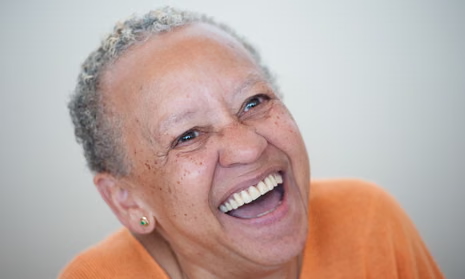
Camille Ralphs poems have rapidly become a defining feature of the contemporary British poetry landscape. Known for their lyrical intelligence and historical imagination, her works bring forgotten voices to life with remarkable power. As a poet, critic, and editor at The Times Literary Supplement, Ralphs has cultivated a distinctive style that blends the ancient and the modern, creating poems that shimmer with both mystery and precision. Her writing resonates deeply with readers who are drawn to language that feels alive, layered, and fearless.
What makes Camille Ralphs poems so captivating is their ability to combine scholarly knowledge with emotional intuition. They are steeped in folklore, theology, and myth, yet they never feel distant or obscure. Instead, they connect the past and present, exploring themes of womanhood, spirituality, and justice. Ralphs’ commitment to craft and her fearless experimentation with voice and form have positioned her among the most important poets of her generation.
Early Works and Emerging Voice
The beginnings of Camille Ralphs poems can be traced to her debut pamphlet Malkin (2015), a work steeped in the atmosphere of the Pendle Witch trials of 1612. This collection introduced Ralphs as a poet deeply invested in recovering the lost voices of women condemned by superstition and fear. Her use of archaic phrasing, dialect, and rhythmic experimentation gave the poems a sense of incantation, as though the speakers themselves were whispering through time. It was a daring and original debut that instantly set her apart from her contemporaries.
Her second pamphlet, Uplifts & Chains (2020), demonstrated a further evolution of voice. Here, Camille Ralphs poems ventured into the psychological and spiritual struggles of identity, exploring themes of captivity, redemption, and transformation. This collection displayed her remarkable ability to merge historical imagination with modern sensibility. Both pamphlets revealed a poet unafraid to challenge linguistic boundaries, using form and sound to convey emotion and power in equal measure.
After You Were, I Am – The Breakthrough Collection
With After You Were, I Am (Faber & Faber, 2024), Camille Ralphs achieved the recognition her early work had promised. This full-length collection represents the culmination of her long engagement with the Pendle Witches, particularly figures such as Jennet Device and Anne Redferne. Through these characters, Ralphs crafts a poetic sequence that explores guilt, innocence, faith, and the complex inheritance of trauma. Camille Ralphs poems in this collection are imbued with empathy and insight, transforming history into living art.
Each poem in After You Were, I Am pulses with spiritual and emotional resonance. The language is rich with ritualistic rhythm, invoking both biblical and folkloric tones. Critics from ArtReview and The Poetry Foundation have praised the collection for its extraordinary command of voice and its ability to make history feel immediate. Camille Ralphs poems here are not merely retellings of old stories; they are reimaginings that reveal how language itself can heal, accuse, and transform. The collection’s success confirmed Ralphs as one of Britain’s most exciting literary talents.
Beyond the Page – Performance and Public Readings
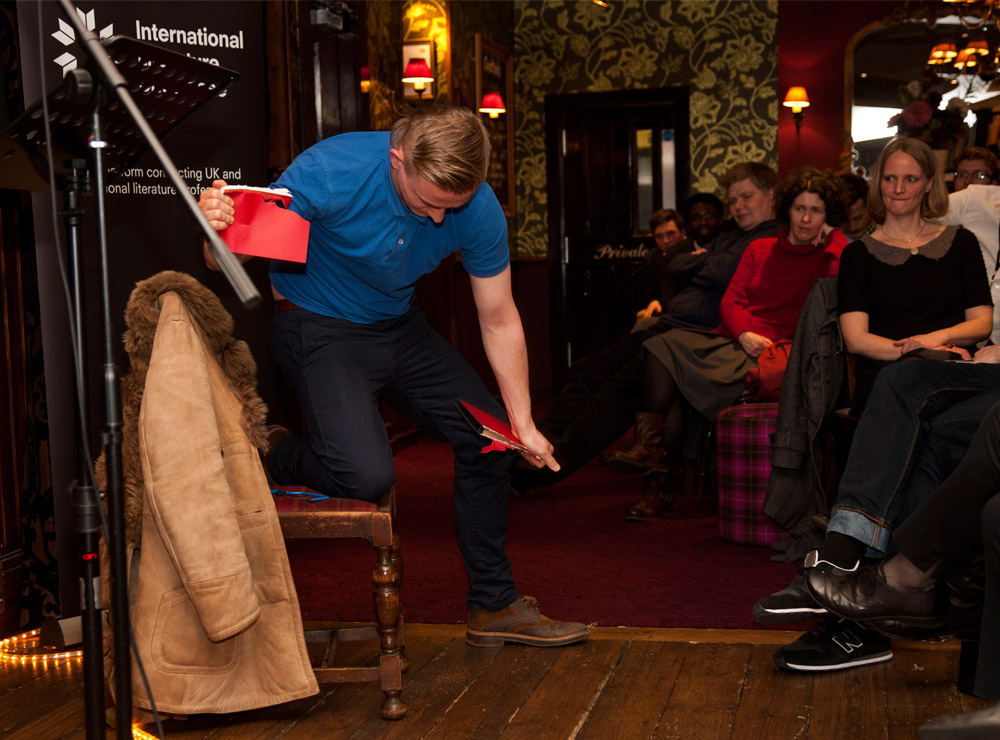
Camille Ralphs poems do not remain confined to the printed page. Her reputation as a performer has grown as she continues to deliver mesmerising readings from memory. Performing her work aloud adds a physical dimension to her poetry, allowing audiences to experience the rhythm and intensity of her language firsthand. Her appearances with The London Magazine, Bad Lilies, and Faber Books have been widely acclaimed for their theatrical presence and emotional depth.
This emphasis on performance also reveals the ancient roots of Ralphs’ poetic philosophy. Camille Ralphs poems embrace the oral tradition, turning each reading into a communal act of storytelling. Her voice carries the cadence of ritual, and her delivery often mirrors the spiritual tension within her texts. Whether in intimate venues or on festival stages, she draws her listeners into the same charged space her poems inhabit, proving that poetry can still be a living, breathing experience.
Themes, Symbols, and Stylistic Signatures
Camille Ralphs poems are rich with recurring symbols and motifs that weave together history, religion, and the feminine experience. She often writes from the perspectives of women persecuted or misunderstood, giving them dignity and voice. Her fascination with witchcraft and martyrdom is not simply historical—it serves as a metaphor for resilience, faith, and the politics of belief. The result is a poetry that feels timeless yet fiercely relevant to the modern reader.
Stylistically, her work is marked by its musicality and precision. Camille Ralphs poems often employ alliteration, repetition, and unexpected syntax to create rhythms that echo prayer or song. She fuses archaic diction with contemporary phrasing, giving her poetry a layered texture that rewards close reading. This unique voice has earned comparisons to poets such as Alice Oswald and Geoffrey Hill, though Ralphs’ work stands apart in its daring synthesis of the mystical and the modern.
Camille Ralphs as Editor and Critic
Beyond her achievements as a poet, Ralphs’ role as Poetry Editor at The Times Literary Supplement has had a profound impact on her writing. Editing the work of others sharpens her attention to language, tone, and structure. Her essays and interviews reveal a mind attuned to both the art and craft of poetry, as well as a deep respect for tradition. This editorial discipline can be felt in the clarity and control of Camille Ralphs poems, where every line serves a precise purpose.
Her presence within the literary community extends far beyond her own publications. Ralphs’ mentorship and editorial vision have helped shape how contemporary British poetry is discussed and appreciated. Camille Ralphs poems embody the same curiosity and exactitude that she brings to her critical work, bridging the worlds of creation and analysis in a way that enriches both.
Legacy, Influence, and the Future of Camille Ralphs’ Poetry
The legacy of Camille Ralphs poems is already taking shape, even as her career continues to evolve. Her influence lies in her ability to merge intellect and emotion, scholarship and artistry. For many readers and writers, she represents a new kind of poet—one who embraces history not as a relic but as a living force. Her imaginative approach invites others to think differently about how poetry can recover the voices of the past while speaking urgently to the present.
Looking ahead, Ralphs’ work promises further innovation. Whether she continues her engagement with historical themes or ventures into new territory, Camille Ralphs poems will undoubtedly retain their characteristic precision and passion. Her commitment to truth, language, and empathy ensures that her voice will continue to shape British poetry for decades to come.
Conclusion: The Spell of Camille Ralphs’ Words
Camille Ralphs poems are more than literary achievements—they are acts of restoration. Through her words, history is reawakened, and forgotten lives are given form and feeling. Her work invites readers to reflect on faith, justice, and the power of language itself. Few contemporary poets balance such intellectual rigour with such emotional resonance.
In the world of modern British poetry, Camille Ralphs stands as both innovator and inheritor, a writer whose craft bridges centuries. Her poetry demands to be read, heard, and remembered. For anyone seeking writing that is at once beautiful, unsettling, and transformative, Camille Ralphs poems remain among the most vital being written today.
FAQs
Who is Camille Ralphs?
She is a British poet, critic, and editor known for her historical and imaginative approach to language.
What is her most acclaimed collection?
Her breakthrough collection After You Were, I Am (Faber & Faber, 2024) received critical praise for its innovative storytelling.
Where can readers find Camille Ralphs poems?
Her poems appear on Faber & Faber, The Poetry Foundation, Bad Lilies, and The London Magazine.
What themes define her poetry?
Faith, femininity, history, witchcraft, and redemption are central themes throughout her work.
Why are Camille Ralphs poems significant?
They blend scholarship with empathy, giving voice to silenced histories while redefining what poetry can achieve in the modern age.
Also Read: Vitamins, Minerals and Antioxidants