Understanding how important are Hz gaming is crucial for every gamer especially those balancing life and demanding careers. This guide dives deep into refresh rates explaining their impact on visual fluidity and overall gaming experience. Whether you are a casual player enjoying cozy games or a competitive enthusiast aiming for peak performance optimizing your monitor's refresh rate can significantly enhance immersion and responsiveness. We will explore the differences between 60Hz 144Hz and 240Hz monitors discuss their real-world benefits for various game genres and help you determine the ideal Hz setup for your specific needs and budget. Learn how refresh rates affect input lag motion blur and your ability to react faster in fast-paced titles. We also address common misconceptions about high refresh rates and provide practical advice on upgrading your setup without breaking the bank ensuring you get the best value for your hard-earned money. Discover the latest trends in gaming monitors and how they cater to the modern US gamer who values both relaxation and skill-building in their limited gaming hours.
Related games- Guide What is Roblox Stock Worth in 2026 An Investor Update
- Guide to 3 Letter Names Roblox Your Avatar Needs
- Guide Roblox Uncopylocked Games for Busy Gamers
- Guide To Gourmet Race Roblox ID Music Codes
- How to Roblox Add Friend Quick Guide for Busy Gamers
How Important Are Hz For Fast-Paced Competitive Gaming?
Hz, or refresh rate, is extremely important for competitive gaming. A higher refresh rate, like 144Hz or 240Hz, allows your monitor to display more frames per second, reducing input lag and motion blur. This means you see enemies and game events faster, react quicker, and track targets with greater precision, providing a distinct competitive edge.
What Hz Monitor Should a Casual Gamer Consider For Relaxation?
For casual gamers prioritizing relaxation and immersive experiences over competitive advantage, a 60Hz monitor is often perfectly adequate. While higher Hz provides smoother visuals, the impact on enjoyment for single-player, story-driven, or cozy games is minimal. Investing in resolution or screen size might offer more value for this type of gamer.
Is Upgrading From 60Hz to 144Hz Worth The Cost For Average Gamers?
For the average US gamer balancing life, upgrading from 60Hz to 144Hz is often one of the most impactful and worthwhile upgrades, especially for games where responsiveness matters. The difference in smoothness and reduced eye strain is significant, and 144Hz monitors are now budget-friendly, providing excellent value for money.
How Does My Graphics Card Affect My Monitor's Hz Performance?
Your graphics card (GPU) is crucial because it generates the frames. A high Hz monitor can only display frames as fast as your GPU can produce them. To fully utilize a 144Hz monitor, your GPU needs to consistently render 144+ FPS in your games; otherwise, the monitor will wait for frames, negating the full benefit.
Why Do Professional Esports Players Prioritize High Hz Monitors?
Professional esports players prioritize high Hz monitors because every millisecond of reaction time matters. Higher refresh rates (240Hz or even 360Hz) provide the earliest visual information, minimal input lag, and unparalleled motion clarity, allowing them to make split-second decisions and execute precise movements more effectively than opponents on lower refresh rates.
Can Console Gamers Benefit From Higher Hz Displays In 2026?
Yes, modern console gamers can significantly benefit from higher Hz displays in 2026. The PS5 and Xbox Series X/S support 120Hz for many optimized games, offering noticeably smoother gameplay than 60Hz. While not reaching PC's highest refresh rates, a 120Hz compatible TV or monitor provides a valuable upgrade for console players.
What Role Do Adaptive Sync Technologies Play With High Hz Monitors?
Adaptive Sync technologies like FreeSync and G-Sync play a vital role with high Hz monitors by eliminating screen tearing and reducing stuttering. They synchronize your monitor's refresh rate with your GPU's fluctuating frame rate, ensuring a consistently smooth and fluid visual experience even when your FPS doesn't perfectly match your monitor's maximum refresh rate.
Ever felt like your gaming experience just isn't as smooth or responsive as others? You've got a decent rig or console but something feels off, especially in fast-paced games. You hear terms like "refresh rate" and "Hz" thrown around, but how important are Hz gaming truly? For many of us balancing demanding jobs, families, and life's responsibilities, gaming is our escape, our way to unwind, connect with friends, or even build a new skill. We want our limited gaming time to be as enjoyable and effective as possible, without falling down an endless rabbit hole of expensive, unnecessary upgrades. This article is your straightforward guide to understanding Hz, its real impact on your gaming, and how to optimize your setup without unnecessary hype or breaking the bank. We’ll cut through the jargon and give you the practical, actionable advice you need to elevate your gaming experience.
US gamers, on average around 36 years old, regularly spend 10+ hours a week in virtual worlds, with 87% playing regularly. A significant portion engages in mobile gaming, while social gaming trends continue to dominate. We value performance but also value for money, seeking solutions that fit our busy lives. Let's figure out if higher Hz is the secret sauce you've been missing or if your current setup is just fine.
What Exactly Does Hz Mean in Gaming Monitors?
Hz, or Hertz, in the context of gaming monitors, refers to the refresh rate. This number tells you how many times your monitor can draw a new image on the screen every second. For example, a 60Hz monitor refreshes 60 times per second, while a 144Hz monitor refreshes 144 times per second. This refresh rate is distinct from your game's Frames Per Second (FPS), which is how many frames your graphics card is rendering. The goal is to have your monitor's refresh rate match or exceed your game's FPS for the smoothest possible experience.
Think of it like flipping through a sketchbook. More pages per second means a smoother, more fluid animation. Higher Hz means your monitor is literally showing you more up-to-date visual information, which can make a significant difference in how responsive and immersive your games feel.
How Important Are Hz Gaming for Casual Players?
For casual gamers who enjoy single-player adventures, strategy games, or cozy simulation titles, the importance of high Hz monitors is less critical than for competitive players. While a higher refresh rate will always provide a smoother visual experience, a 60Hz monitor is perfectly adequate for most non-competitive genres. Games like Stardew Valley, The Sims, or even story-driven RPGs often don't benefit immensely from refresh rates beyond 60Hz, as their gameplay isn't reliant on split-second reactions or tracking fast-moving targets.
The visual upgrade from 60Hz to 144Hz might be noticeable but might not fundamentally change your enjoyment or performance in these types of games. If your primary goal is relaxation and immersive storytelling, prioritizing graphical fidelity or a larger screen might offer more value than chasing ultra-high refresh rates.
Do Higher Hz Monitors Provide a Competitive Advantage?
Absolutely. In competitive gaming, higher Hz monitors are a significant advantage, particularly in fast-paced genres like first-person shooters (FPS), fighting games, and real-time strategy (RTS). A 144Hz or 240Hz monitor displays new frames much faster than a 60Hz monitor, reducing input lag and motion blur. This means you see enemy movements sooner, react quicker to in-game events, and can track targets with greater precision.
Professional esports players almost exclusively use high refresh rate monitors (often 240Hz or even 360Hz) because every millisecond counts. For the average gamer looking to climb ranked ladders or simply outperform friends, moving from 60Hz to 144Hz often feels like a night-and-day difference in responsiveness and visual clarity, directly translating to improved performance and a more consistent aim.
What's the Difference Between 60Hz, 144Hz, and 240Hz?
The core difference is the number of times per second the monitor can update its display. Here's a breakdown:
- 60Hz: This is the standard refresh rate for most entry-level monitors and TVs. It's perfectly fine for general use, watching movies, and many casual games. You won't typically notice significant motion blur unless you're specifically looking for it in very fast-moving scenes.
- 144Hz: This is the sweet spot for many gamers, offering a substantial upgrade from 60Hz without the premium price tag of 240Hz. It provides noticeably smoother motion, less input lag, and a clearer image during fast gameplay. Many competitive gamers find 144Hz to be an excellent balance of performance and cost.
- 240Hz: This refresh rate is designed for serious competitive gamers who demand the absolute lowest input lag and most fluid visuals. The jump from 144Hz to 240Hz is less dramatic than 60Hz to 144Hz, but it's still noticeable for highly skilled players. It requires a powerful graphics card to consistently hit 240+ FPS in demanding titles.
Each step up offers diminishing returns, meaning the biggest perceived improvement is usually from 60Hz to 144Hz.
Do I Need a Powerful PC to Benefit from a High Hz Monitor?
Yes, absolutely. The benefit of a high refresh rate monitor is directly tied to the FPS your graphics card (GPU) can produce. If you have a 144Hz monitor but your PC can only run a game at 60 FPS, you won't experience the full 144Hz smoothness. Your monitor can display 144 frames per second, but your GPU is only sending it 60 unique frames. This means the monitor will display some frames multiple times, or simply wait for the next frame, negating much of the high refresh rate advantage.
To truly leverage a 144Hz monitor, your PC should ideally be able to maintain 144 FPS or higher in your preferred games. For a 240Hz monitor, you'll need a top-tier GPU to consistently hit 240+ FPS. When planning an upgrade, consider your PC's capabilities alongside your monitor choice. A balanced setup ensures you're not bottlenecked by either component.
Are Console Gamers Missing Out on High Hz Gaming?
Not entirely, but historically, console gaming has been more tied to 60Hz displays. The current generation of consoles (PlayStation 5 and Xbox Series X/S) supports higher refresh rates, specifically 120Hz, for compatible games. Many popular titles, including Call of Duty and Fortnite, now offer a 120 FPS mode, which takes advantage of these higher refresh rates on modern TVs and monitors.
However, running games at 120 FPS on consoles often comes with trade-offs, such as reduced resolution or graphical settings. So, while console gamers can experience smoother gameplay with a 120Hz display, the option is game-dependent and not as universally available or high as on PC. If you play competitive titles on your console, a 120Hz compatible TV or monitor is a worthwhile upgrade.
What about Adaptive Sync Technologies like FreeSync and G-Sync?
Adaptive sync technologies like AMD FreeSync and NVIDIA G-Sync are incredibly important for optimizing your high refresh rate experience. They work by synchronizing your monitor's refresh rate directly with the frames per second (FPS) your graphics card is outputting. This eliminates screen tearing (when the monitor displays parts of multiple frames at once) and reduces stuttering (when FPS drops below the monitor's fixed refresh rate).
Even if your FPS fluctuates between, say, 100-140 FPS on a 144Hz monitor, FreeSync or G-Sync will ensure the experience remains smooth and tear-free. This is a game-changer for maintaining visual fluidity, especially for gamers whose systems might not consistently hit their monitor's maximum refresh rate. When buying a high Hz monitor, always look for one that supports either FreeSync (generally more affordable and widespread) or G-Sync (NVIDIA's proprietary, often premium, solution).
Is Upgrading to a High Hz Monitor Worth It for My Budget?
For many gamers, balancing gaming with jobs and families means budget is a real concern. The question of whether a high Hz monitor is 'worth it' depends on your priorities and the games you play. If you primarily play competitive games like Valorant, Apex Legends, or Rocket League, moving from 60Hz to 144Hz is arguably one of the best performance-per-dollar upgrades you can make. It dramatically improves your ability to react and track targets, directly impacting your competitive edge.
However, if you're a casual player who mostly enjoys story-rich games or slower-paced genres, investing in a larger monitor, better resolution (e.g., 1440p), or even better color accuracy might offer more tangible benefits for your enjoyment. You can find excellent 144Hz monitors for under 200 dollars these days, making the upgrade more accessible than ever. Always consider what you play most and where you'll get the most enjoyment and performance improvement for your investment.
The Future of Hz in Gaming Monitors: What's Next?
The trend for refresh rates continues upwards, with 360Hz and even 540Hz monitors making their way into the high-end esports market. However, for the average gamer, these ultra-high refresh rates offer diminishing returns and demand extremely powerful hardware to fully utilize. The focus is also shifting to other display technologies like OLED and Mini-LED, which offer incredible contrast and response times, enhancing immersion even at lower refresh rates.
We're seeing innovations like variable refresh rate (VRR) support becoming standard across more devices, including TVs, ensuring smoother experiences across PC and console. For the foreseeable future, 144Hz and 240Hz will remain the sweet spot for performance-oriented gamers, while the 60-120Hz range will continue to be excellent for casual play, especially with the advancements in visual quality from new panel types. The goal remains to provide an experience that feels natural and responsive, letting you fully dive into your digital worlds without technical distractions.
So, how important are Hz gaming? Very, if you're chasing competitive edges or crave the smoothest possible visuals. Less so, if you're all about narrative and atmosphere. The key is understanding your own gaming habits and priorities. Don't let hype dictate your purchases. Research, assess your current setup, and make an informed decision that enhances your specific gaming journey.
What's your biggest gaming challenge when it comes to hardware upgrades? Comment below!
FAQ Section
What is the ideal Hz for competitive gaming?
For competitive gaming, 144Hz is generally considered the minimum ideal refresh rate, offering a significant advantage over 60Hz. Many pros and serious enthusiasts prefer 240Hz for the absolute lowest input lag and smoothest motion, though it requires a very powerful PC.
Does a higher Hz monitor reduce input lag?
Yes, a higher refresh rate monitor inherently reduces display input lag. Because the monitor updates the image more frequently, the time between your PC sending a frame and the monitor displaying it is shorter, allowing you to react faster.
Can I really see the difference between 60Hz and 144Hz?
Most people can clearly see the difference between 60Hz and 144Hz, especially in games with fast motion or when moving the mouse cursor around the desktop. The motion appears significantly smoother and more fluid, reducing motion blur and making tracking easier.
Do all games support high refresh rates?
While your monitor can refresh at 144Hz, the game itself needs to be able to render frames at a high enough FPS to utilize it. Most modern PC games do, but older titles or graphically intensive games on less powerful hardware might not consistently hit high frame rates. Consoles also have specific games that support 120Hz.
Is 1440p resolution at 144Hz better than 1080p at 240Hz?
This depends on your priorities. 1440p at 144Hz offers a sharper image with a smooth experience, great for immersive gaming. 1080p at 240Hz prioritizes raw speed and responsiveness, making it better for competitive esports where every millisecond and visual clarity of fast movement counts more than pixel density.
What if my GPU can't hit 144 FPS consistently?
If your GPU can't consistently hit your monitor's high refresh rate, you'll still experience some benefits like reduced input lag, but the full smoothness won't be realized. Adaptive sync technologies (FreeSync/G-Sync) are crucial in this scenario to prevent tearing and stuttering, making the experience much better even with fluctuating FPS.
Hz gaming importance understanding refresh rates for smoother visuals competitive edge improved immersion determining optimal Hz for different games budget considerations monitor GPU synergy for best performance mobile gaming Hz impact future trends in display technology
33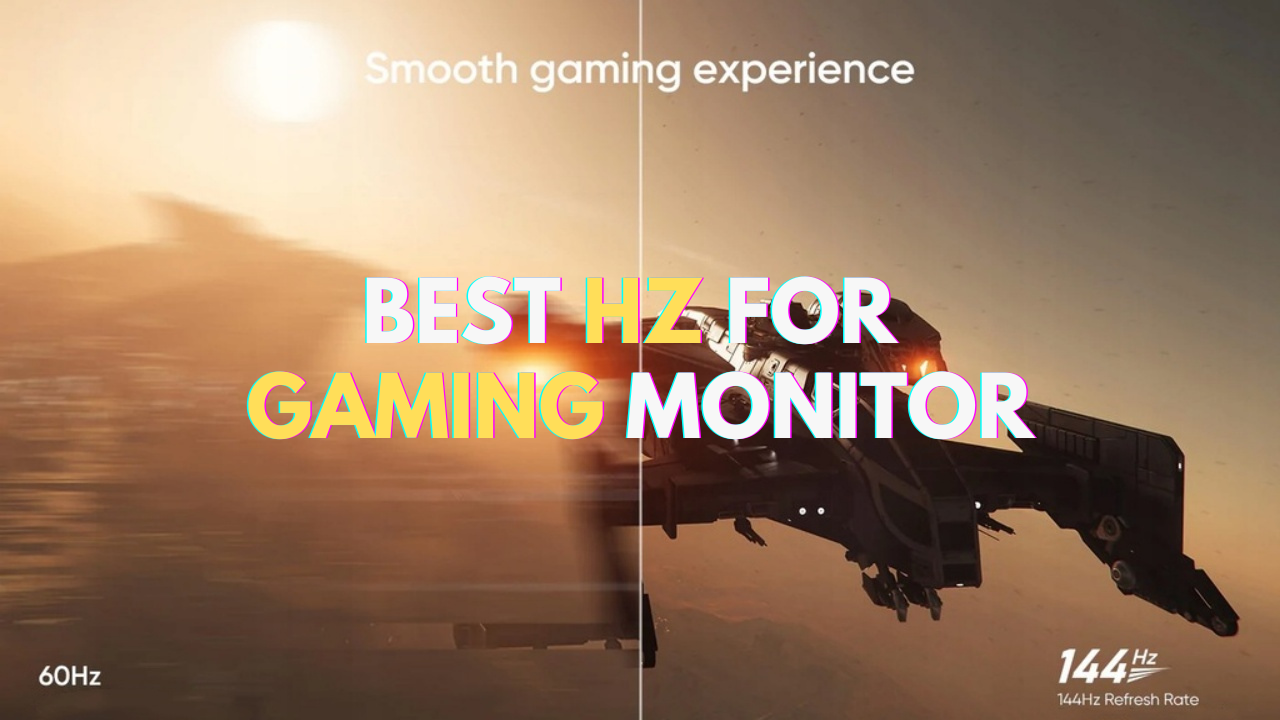



The Ultimate Guide To Choosing The Best Hz For Your Gaming Monitor Arzopa Best Hz For Gaming Monitor 2ac46d43 857b 4554 B46e . Jual Xiaomi G27i 2026 200 Hz Monitor Gaming 200Hz Fast IPS FHD 1ms GTG Id 11134207 8224p. 3 Most Important Games On UNC S 2026 Schedule Yahoo Sports. Video Games 2026 Key Trends Shaping The Future Of Play Mavigadget Blog 696x696 . Razer S CES 2026 Next Level Hardware AI Push Gamers Respond Happy Gamer Razer S Ces 2026 Ai Push Sparks Major Backlash From Gamers 750x575



Top 7 Gaming Phones Of 2026 Which To Choose Based On Price 7 Celulares Gamer 2026 Qual Escolhe 1778190469 53 . This 60Hz E Ink Game Boy Emulator Refreshes Retro Gaming With An ESP32 PaperBoy S3 Gaming Handheld 4 . Alienware OLED Monitors 2026 The Innovations At Computex 2026 Basic Alienware 34 240Hz Gaming Monitor 3 Scaled . Gaming Industry News How 2026 Is Reshaping The Business Of Play Gaming Industry News How 2026 Is Reshaping The Business Of Play . Gamer LEVEL UP YOUR FUTURE IN 2026 WITH GAMERZONE Start The New Media
Samsung Kenalkan Lineup Odyssey 2026 Monitor 6K 3D Hingga Gaming 1040 Eb88a613 91f3 4bf6 B711 . 15 Best AV Receivers With HDMI 2 1 For 4K 120Hz Console Gaming July 2026 B0B9QF1L4K Customer 1 710x1536 . From Gaming To Dual Focus Evolving Strategies In 2026 LevelUpTalk Gamers 02 03 2026 435585de 9b0c 4d4c B715. AOC Launches Its 2025 QD OLED Monitor Lineup Including 500 Hz Models . Meilleurs Moniteurs 360 Hz Pour Gaming De F Vrier 2026 Meilleurs Moniteurs 360 Hz Pour Gaming 2048x1263
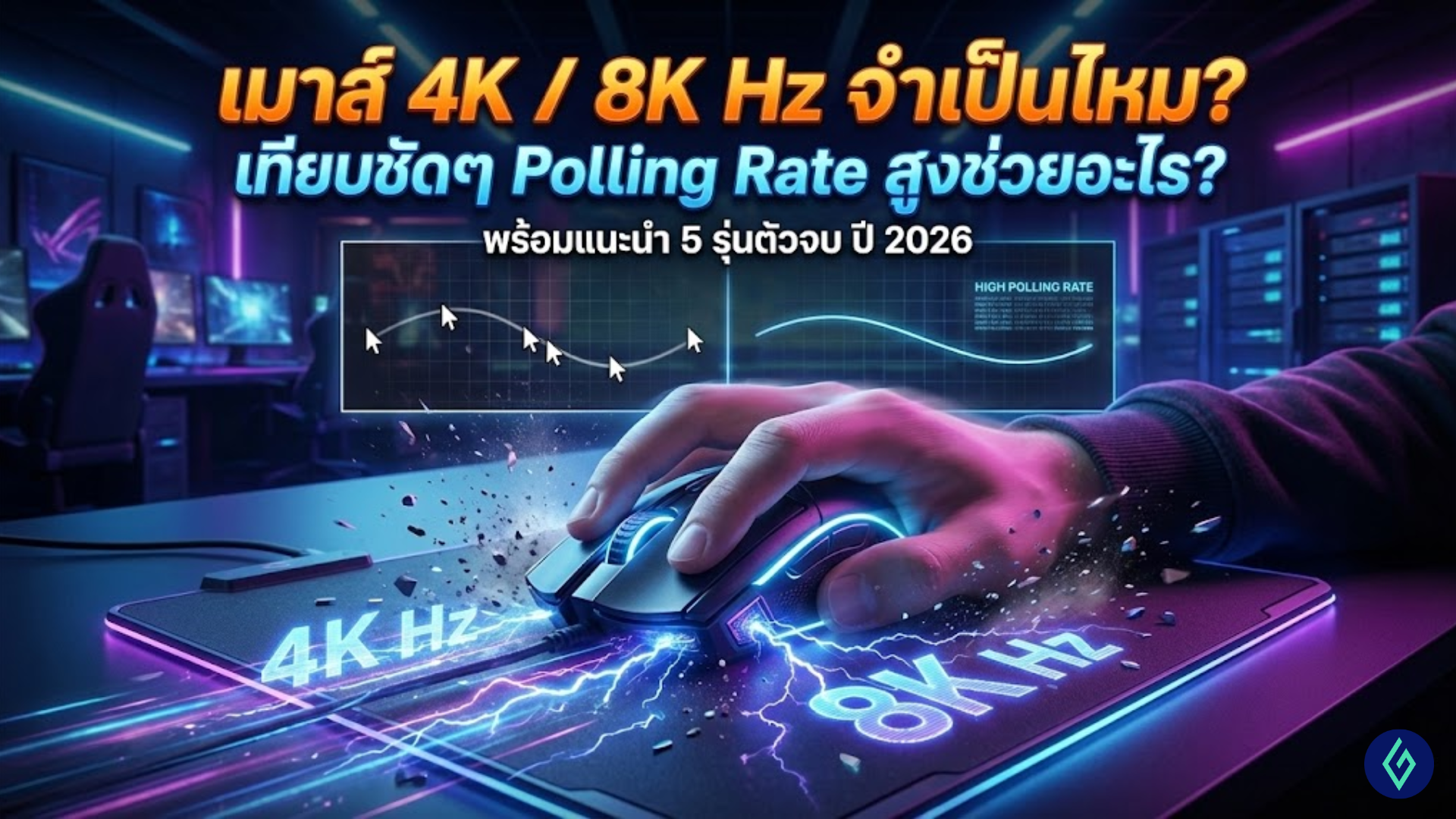

4K 8K Hz Polling Rate Best 4k 8k Polling Rate Gaming Mice 2026 Cover . ASRock Adelanta El CES 2026 Con Monitores OLED De Hasta 540 Hz Y Una RX V9o Asrock En El Ces 2026 . Key Gaming Trends Of 2026 TREND . Chinese ESports Firm Worked With AMD On 1 000 Hz Gaming Monitor Primed . Samsung Odyssey 2026 Monitor Gaming 1 040Hz 3D Fakta Medan Monitor Gaming Samsung Odyssey 2026 3d 1040hz Ces

Xiaomi Curved Gaming Monitor G34WQi 2026 Debuta En Australia Con 180 Hz Curved Gaming Monitor G34WQi 2026 Portada . NVIDIA CES 2026 DLSS 4 5 360 Hz Monitore GeForce NOW Blog NVIDIA Auf Der CES 2026 1024x576 . Top 5 Monitores 120Hz Baratos Para Comprar Em 2026 Custo Benef Cio Real Top 5 Monitores 120hz Baratos Para Comprar Em 2026 Custo Beneficio Real 1024x682 . HP Gaming AMOLED 144Hz Termurah 2026 Di Bawah Rp4 Juta Pilihan Terbaik HP Gaming AMOLED 144Hz Termurah 2026 Di Bawah Rp4 Juta . The 28 Best 240 HZ Gaming Laptops Of 2026 Verified Cherry Picks 240 Hz


10 Best 240Hz Gaming Monitors July 2026 Expert Picks Best 240Hz Gaming Monitors 300x167 . Gaming Monitore 2026 5K Tandem OLED Und Ber 1 000 Hz Gaming Monitore 2026 5K Tandem OLED Und Ueber 1.000 Hz. Acer Present Su Primer Monitor De 1000 Hz Para Gaming CES 2026 Acer Presento Su Primer Monitor De 1000 Hz Para Gaming CES 2026 1 . Gaming Industry Trends 2026 Cloud Gaming AI Metaverse Web3 Gaming Trends 2026.webp. El Mejor Monitor De Xiaomi Con 120 Hz Y Pantalla 2K Baj De Precio En Original

Future Of Gaming Top Trends Shaping 2025 2026 Frame 758532776 2. Gaming Mit 1 000 Hz Erste Premium Bildschirme Starten Bereits 2026 Gaming Monitor 1000 Hz 560x420 . Asus ROG Strix G16 Dan G18 2026 Layar 300 Hz Yang Mengubah Standar Asus ROG Strix G16 Dan G18 2026 Layar 300 Hz